From Japanese sports cars to American muscle and European specials, imported cars are popular in the UK. They can offer unusual models, high specs and good value. But there’s a catch: much of their history happened outside the UK, which makes it harder to check.
Here’s what a vehicle history check can and can’t tell you about an imported car, and how to fill in the gaps.
What is an imported car?
An imported car is one that was first registered outside the UK and then brought here. You’ll often hear:
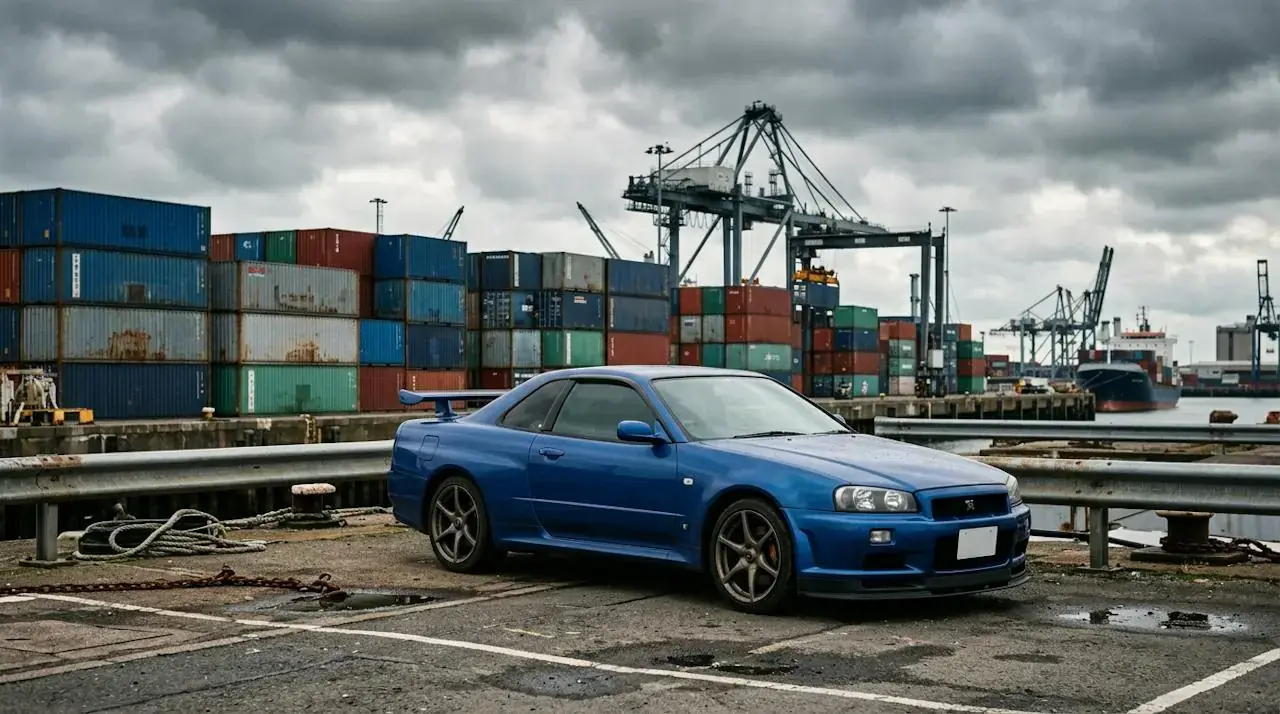
- Grey import: a car that wasn’t officially sold new in the UK by the manufacturer, often from Japan.
- Parallel import: a car that was sold in the UK, but bought new elsewhere and brought in privately.
A history check may show a date of first registration in the UK that’s much later than the year of manufacture. That’s a common sign of an import.
What a UK history check can show for an import
Once a car is registered in the UK, it builds up a UK history like any other car. A full check can show:
- Vehicle details as recorded by the DVLA
- Outstanding finance taken out in the UK
- Police stolen records in the UK
- UK insurance write-offs
- UK MOT history and mileage readings
- UK plate changes and keepers
Our complete guide to vehicle history checks explains each of these.
What a UK history check can’t show
Anything that happened before the car arrived in the UK is usually missing:
- Accidents or write-offs in the country of origin
- Mileage readings before import
- Finance taken out abroad
- Thefts reported abroad (some international data exists, but coverage is limited)
- Previous owners overseas
This is the biggest risk with imports: a car could have a troubled past that simply isn’t on UK records.
Extra checks for imported cars
Import paperwork
Ask for the documents from when the car was imported and registered, such as shipping records, customs paperwork and proof of the UK registration process. A genuine importer or owner should have these.
Export certificate or auction sheet
Japanese imports often come with an export certificate and an auction sheet from the original sale. Auction sheets grade the car’s condition and may note the mileage and any damage. Get it translated if needed, and check that details match the car.
Mileage units
Some imports have speedometers in kilometres. Make sure any mileage figures are compared in the same units, and that the conversion is consistent across records.
Service history
Foreign service records may exist, but they’re often incomplete. Budget for a full service and an inspection by a specialist familiar with the model.
Insurance and parts
Some imports cost more to insure, and parts can be harder to source. Get a quote before you buy.
Import red flags
| Red flag | Why it matters |
|---|---|
| No import paperwork | Hard to verify the car’s origin and legal status |
| Auction sheet that doesn’t match | Possible substitution or misrepresentation |
| Very low mileage on an older import | Mileage may have been altered before import |
| Evidence of flood or salt damage | Some imports come from areas with harsh conditions |
| Price well below similar UK cars | There may be a reason |
CheckHPI’s full check shows UK finance, stolen and write-off records from £9.99, including plate and keeper history, with Experian’s mileage check on Premium. It’s the essential first step for any import.
The bottom line
Imported cars can be brilliant, but their pre-UK history is often a blank page. Run a full UK history check, then fill the gaps with import paperwork, auction sheets, a specialist inspection and a careful look at the mileage. With the right homework, you can enjoy your import with confidence.
Frequently asked questions
Can you do an HPI check on an imported car?
Yes. A UK history check covers everything recorded since the car was registered in the UK, but it usually can't show history from before import.
What is a grey import?
A grey import is a car that wasn't officially sold new in the UK by the manufacturer and was imported privately, often from Japan.
How can I check the mileage on an imported car?
Compare UK MOT readings, and check import documents such as a Japanese auction sheet or export certificate. A specialist inspection can also help.
Are imported cars more expensive to insure?
Some are, especially performance or rare models. Get an insurance quote before you buy.