So you’ve found a car you love. The photos look great, the price seems fair, and you’re itching to get the keys. Before you do, take ten minutes to run through this checklist. It’s the routine we’d follow ourselves, and it’ll help you check HPI and everything else that matters, without missing a thing.
Step 1: Get the registration number
Most adverts show the number plate in the photos. If not, just ask the seller. A genuine seller won’t mind at all. If they get cagey or refuse, that tells you something on its own.
Step 2: Run a free check and compare the basics
Not sure what an HPI check covers? Our guide what is an HPI check? explains it all.
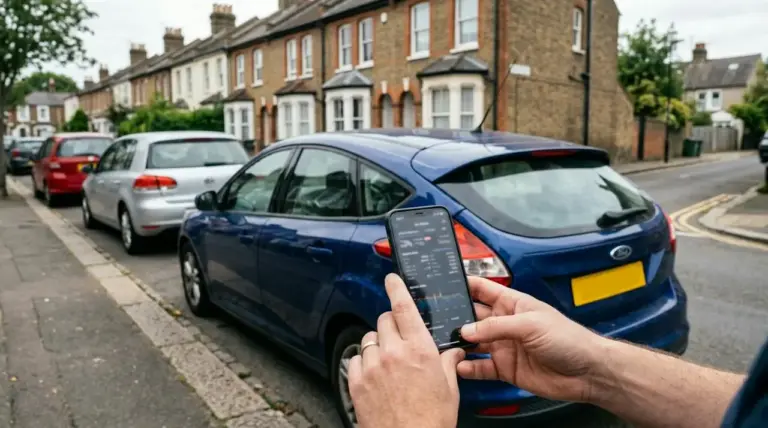
Pop the reg into our free car check. You’ll see the make, model, colour, year, engine size, fuel type, and MOT and tax status. Now compare it with the advert:
- Is it the same model and engine size?
- Does the colour match? (A different colour can be a sign of cloned plates.)
- Is the year right?
- Is the MOT valid, as the seller says?
If anything doesn’t match, ask why before going any further.
Step 3: Check the MOT history
The MOT history on GOV.UK is free and incredibly useful. It shows every test result, any failures, advisories (things the tester spotted that will need attention soon) and the mileage recorded at each test.
Look for:
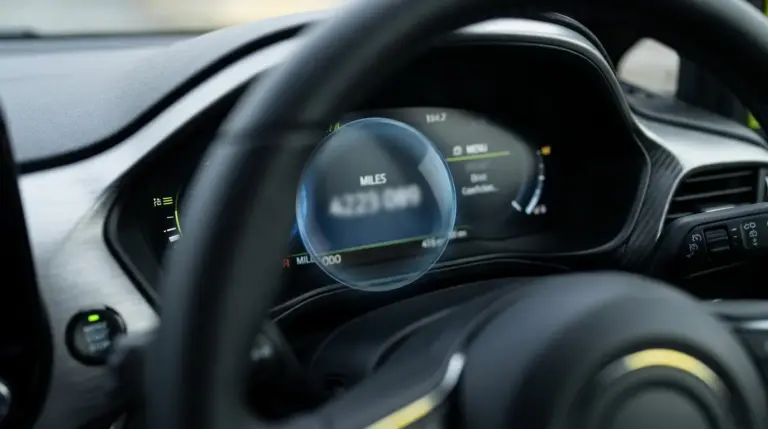
- Mileage that goes down between tests. Big red flag.
- Repeated advisories that never seem to get fixed, like corrosion or worn suspension.
- Long gaps where the car had no MOT. Was it off the road? Why?
Step 4: Unlock the full HPI check
This is the big one. A full HPI check looks at the records you can’t see for free:
- Outstanding finance
- Stolen vehicle records
- Insurance write-offs (Cat A, B, S and N)
- Mileage history and clocking flags
- Plate changes and number of keepers
Do this before you travel to see the car. If something serious shows up, you’ve saved yourself a wasted trip.
Step 5: Read your results calmly
Got a flag? Don’t panic. Here’s a quick guide:
| Result | What to do |
|---|---|
| Finance owing | Ask the seller to settle it and show written proof from the lender before you pay. Full guide. |
| Stolen | Walk away and contact the police on 101. |
| Cat S or Cat N | Could be fine, but the price should reflect it. Ask for repair evidence. Full guide. |
| Mileage flag | Ask for an explanation and paperwork. No answer? Walk away. Full guide. |
| Lots of keepers | Not a deal-breaker, but ask about the car’s history. |
Step 6: Check the V5C logbook in person
When you view the car, ask to see the V5C (the logbook). Then check:
- The name and address match the seller and where you’re viewing the car. Be wary of meeting anywhere else.
- The VIN (17 characters) matches the car. You’ll find it at the base of the windscreen, and usually on a plate under the bonnet or in a door frame.
- The watermark. Hold it to the light and look for the “DVL” watermark.
- The serial number. DVLA has warned about stolen blank V5Cs numbered BG8229501 to BG9999030 and BI2305501 to BI2800000. If it’s in either range, walk away.
Step 7: Look over the car properly
You don’t need to be a mechanic. Just take your time and look for things that don’t add up:
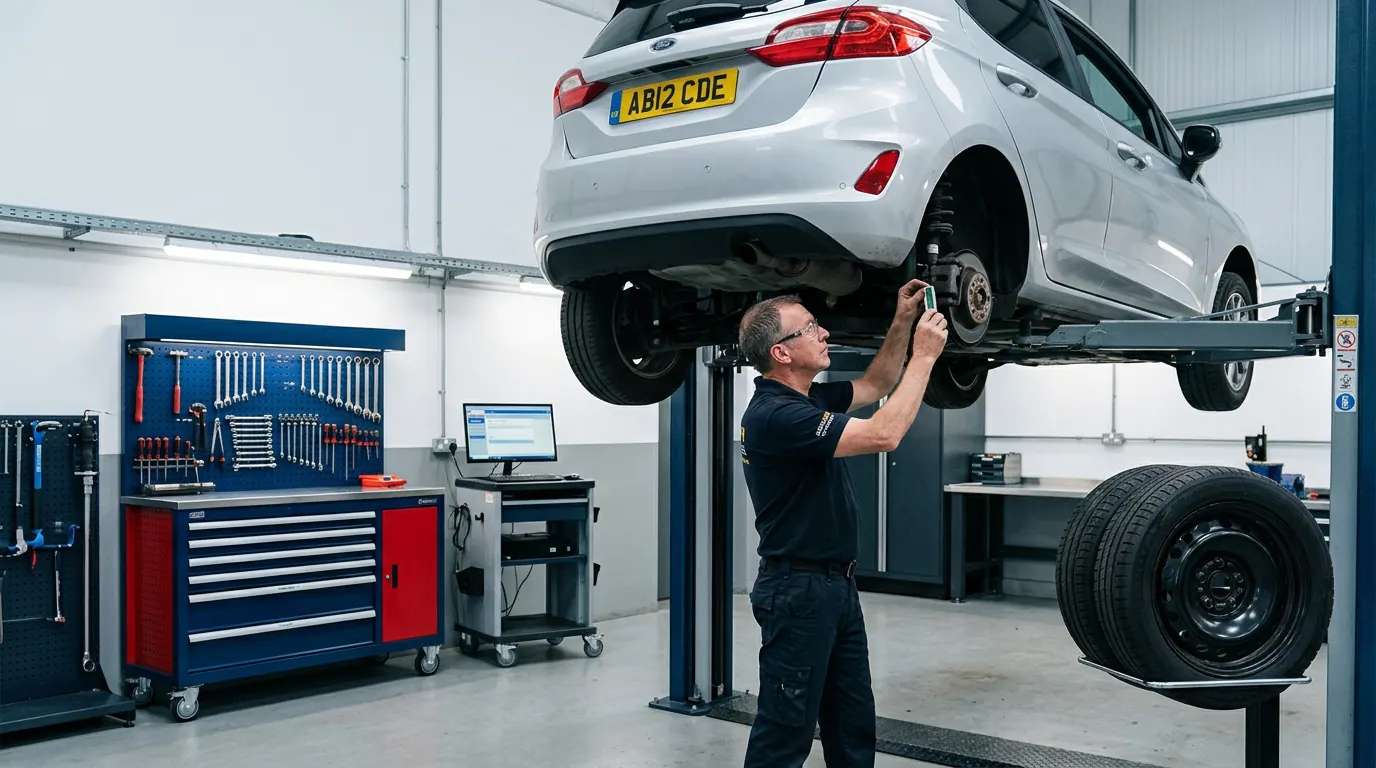
- Uneven gaps between panels or slightly different paint shades, which can point to accident repairs
- Wear on the steering wheel, pedals and seat that doesn’t match the mileage
- Warning lights on the dash that stay on after starting
- Tyres worn unevenly, which can suggest alignment problems
- Damp carpets or a musty smell
Step 8: Go through the service history
A stamped service book or a folder of receipts is gold. Check the mileage on each service fits the pattern, and that major jobs (like a cambelt change, if the car has one) have been done when they should have been.
Step 9: Take it for a proper test drive
Drive for at least 15 to 20 minutes on a mix of roads if you can. Listen for knocks, feel for vibrations, check the brakes pull straight, and make sure the gears change smoothly. Check you’re insured to drive it first.
Step 10: Pay safely and get a receipt
- Bank transfer leaves a record. Large amounts of cash don’t.
- Get a written receipt with the car’s details, the price, the date, and both your names and addresses.
- Make sure you get the new keeper slip (V5C/2) and that the seller tells DVLA about the sale.
- Tax the car before you drive it away. Tax doesn’t transfer with the car.
Bookmark this page so it’s handy next time you’re out car hunting. And remember: if a deal feels rushed or too good to be true, it’s always okay to walk away.