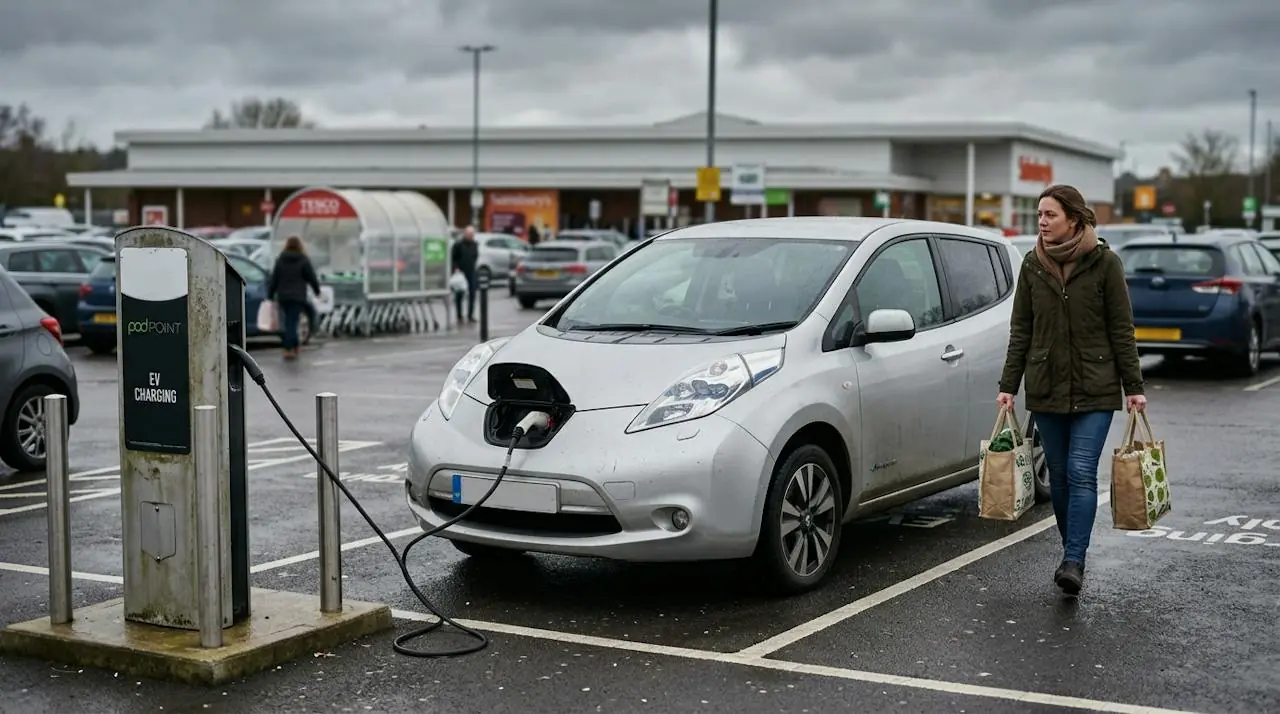
Used electric cars have become a genuinely tempting option. Prices have dropped, the choice has grown, and running costs can be very low. But buying a used EV isn’t quite the same as buying a petrol or diesel car. There are a few extra things to check, especially the battery.
Here’s what you need to know.
Does a used EV still need an HPI check?
Absolutely. Electric cars can have outstanding finance, be stolen or be written off just like any other car. In fact, many EVs are bought on finance or PCP, which makes the finance check especially important. A full HPI check covers:
- Outstanding finance
- Stolen status
- Insurance write-off history
- Mileage history
- Plate changes and keepers
Read about every section in how to read your full HPI check report.
Write-offs and EVs
EV repairs can be expensive, particularly if the battery pack or high-voltage system is damaged. That means some insurers write off EVs for damage that might be repaired on a petrol car. If a used EV has a Cat S or Cat N record, find out exactly what was damaged and get an inspection from a specialist familiar with electric vehicles. Our guide to write-off categories explains what each one means.
Checking battery health
The battery is the most valuable part of an electric car. All batteries lose some capacity over time, but the rate varies a lot depending on age, mileage, climate and charging habits.
Ask for a battery health report
Many dealers and specialists can provide a battery state of health (SoH) report, usually shown as a percentage of the original capacity. Some cars show battery health in their menus or apps.
Check the real-world range
Fully charge the car if possible and look at the estimated range. Compare it with the original official range, remembering that cold weather and driving style reduce range.
Check the battery warranty
Most EV batteries come with a manufacturer warranty, often around eight years and a mileage limit, covering capacity dropping below a set level. Check how much is left and whether it transfers to you.
Battery leases: an important question
Some older EVs, particularly certain early models, were sold with the battery on a separate lease. That means the battery may not be owned with the car, and you could need to take over monthly payments. Always ask whether the battery is owned outright or leased, and get it in writing.
Other EV-specific checks
| Check | What to look for |
|---|---|
| Charging cables | Are the home and public charging cables included? |
| Charging port | Damage, corrosion or a loose flap |
| Rapid charging | Does the car support it, and at what speed? |
| Software updates | Is the software up to date? Are there any recalls outstanding? |
| Tyres | EVs are heavy and can wear tyres faster |
| Brakes | Regenerative braking means discs can corrode from lack of use |
| Connected services | Has the previous owner removed the car from their app account? |
EV red flags
- Range far below what’s typical for the model and age
- No battery health information available
- A battery lease the seller didn’t mention
- Warning lights relating to the high-voltage system
- A write-off record with no detail about the damage
Whatever powers the car, CheckHPI’s full check covers finance, stolen and write-off records from £9.99, including keepers and plate changes, with Experian’s mileage check on Premium. Start with a free check for any UK reg.
The bottom line
A used electric car can be a smart buy, but it needs two kinds of check: a full HPI check for its history, and a battery check for its health. Ask about the battery warranty and any lease, check the charging kit, and get a specialist inspection if anything is unclear. Do that, and you can go electric with confidence.
New to car checks? Start with our guide to the best HPI check in the UK.
Frequently asked questions
Do I need an HPI check on a used electric car?
Yes. EVs can have outstanding finance, be stolen or be written off just like any other car, and many are bought on finance.
How do I check the battery health of a used EV?
Ask for a battery state of health report, check the real-world range when fully charged, and confirm how much of the battery warranty remains.
What is a battery lease?
Some older EVs were sold with the battery leased separately. If so, you may need to take over monthly payments, so always ask whether the battery is owned outright.
Are electric cars more likely to be written off?
Damage to the battery or high-voltage system can be expensive to repair, so some insurers write off EVs for damage that might be repaired on a petrol or diesel car.