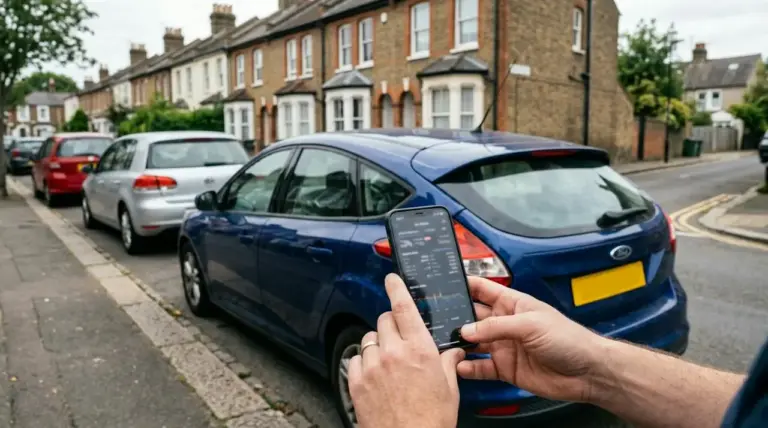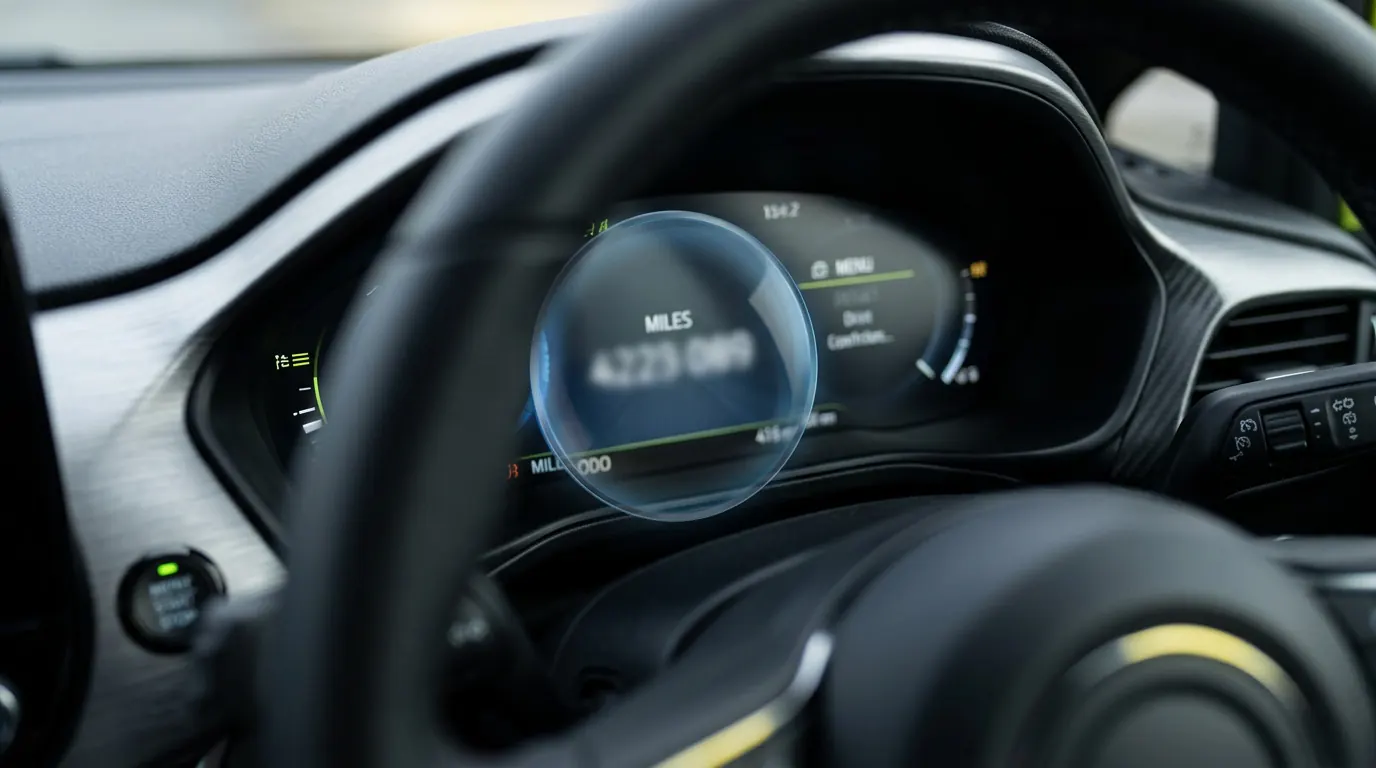
Picture this: you’ve found a five-year-old car with just 25,000 miles on the clock. What a find! Unless, of course, it’s really done 75,000. Mileage clocking is one of the sneakiest tricks in the used car world, and modern tech has made it easier than ever. The good news? With a bit of know-how, you can spot the signs.
What is car clocking?
Clocking means winding back a car’s odometer so it shows fewer miles than it’s really done. Lower miles mean a higher price, so the seller pockets the difference.
Years ago, clocking meant fiddling with mechanical dials, and often left tell-tale scratches. Today, with digital dashboards, it can be done in minutes by plugging in a device. There’s often nothing to see at all.
It’s illegal to sell a car with altered mileage without telling the buyer. But that doesn’t stop everyone.
Why clocking matters
- You overpay. Mileage has a big effect on value, so you could be handing over hundreds or thousands more than the car’s worth.
- Missed maintenance. Service schedules are based on mileage. A car that’s really done 80,000 miles might need a cambelt, clutch or suspension work that its “30,000 miles” suggests it doesn’t.
- Resale headaches. If it’s discovered later, you’ll struggle to sell it for what you paid.
8 signs a car might be clocked
1. The MOT history doesn’t add up
This is the big one, and it’s free. The GOV.UK MOT history service shows the mileage recorded at every MOT. If the mileage ever goes down between tests, something’s wrong. Cars under three years old won’t have had an MOT yet, so you’ll need to rely on the other signs.
2. Wear and tear that doesn’t match
Low-mileage cars should look it. Be suspicious of:
- A shiny, smooth steering wheel
- A worn gear knob or handbrake
- Pedal rubbers worn down to the metal, or brand new ones on an older car
- A saggy or worn driver’s seat, especially the side bolster
- Lots of stone chips on the bonnet and bumper
3. Gaps in the service history
A full history with consistent mileage is great. Missing years, a brand new service book on an old car, or stamps from garages you can’t find online all deserve questions.
4. Paperwork with higher mileage
Have a nose through any old receipts, MOT certificates and invoices in the glovebox. A receipt from two years ago showing more miles than the dash does now is about as clear as it gets.
5. Average mileage that seems too low
Lots of UK drivers cover somewhere around 7,000 to 10,000 miles a year. A car that’s done far less isn’t automatically suspicious (plenty of people barely drive), but if it seems unusually low, ask why.
6. The seller is vague
Genuine sellers can usually tell you how the car was used: “just the school run” or “long motorway commute”. If the story is fuzzy or keeps changing, take note.
7. Service reminders that don’t fit
Some cars show when the next service is due. If a car with “low miles” says it’s overdue for a major service, or the reminder’s been reset without a record, ask about it.
8. Your HPI check flags it
A mileage check pulls together recorded mileage readings from across the car’s life and flags any drops or oddities, so you don’t have to piece it together yourself.
Sometimes there’s an innocent explanation, like a typing error at an MOT or a replacement dashboard. A genuine seller should be able to explain it and show paperwork. If they can’t, be cautious.
What to do if you think a car is clocked
Before you buy: simply walk away. There’s no need to argue. If you think the seller is a trader deliberately selling clocked cars, you can report it to Trading Standards through the Citizens Advice consumer helpline.
If you’ve already bought it:
- From a dealer: under the Consumer Rights Act 2015, the car must be as described. If the mileage was misrepresented, you may be entitled to a refund, repair, replacement or price reduction. Contact the dealer in writing first.
- From a private seller: you have fewer rights, but the car must still be as described. If the seller misled you, you may be able to claim through the small claims court.
- Either way, Citizens Advice can help you understand your options for free.
The bottom line
Clocking can be invisible on the dash, but it rarely leaves the paper trail clean. Check the MOT history, look closely at wear and tear, go through the service records, and run a mileage check as part of your HPI check. Put together, they’ll give you a pretty clear picture of whether those miles are real.