You value your car on one website and get one figure. A dealer offers you something lower. A similar car on a forecourt is advertised for much more. It’s confusing, and it can feel like everyone’s making it up.
They’re not. Each figure is answering a slightly different question. Here’s how to make sense of them.
The four main types of car value
| Value | Who’s selling to whom | Why it’s that level |
|---|---|---|
| Trade / auction | Owner or dealer selling to the trade | Buyers need room for costs and profit |
| Part-exchange | You selling to a dealer as part of a purchase | Dealer must prepare, warranty and resell the car |
| Private | One private individual selling to another | No middleman, no warranty, no preparation costs |
| Retail / forecourt | Dealer selling to you | Includes preparation, warranty, legal protection and profit |
So the “right” value depends entirely on how you’re buying or selling. For more on each type, see our guide to HPI valuations.
Why valuation websites disagree
Different data
Valuation tools draw on different sources: auction results, dealer prices, private adverts and completed sales. The mix affects the result.
Different assumptions
Most valuations assume “average” condition and typical mileage. Some adjust for options and colour, others don’t.
Different timing
Used car prices move with the market. A tool updated weekly may differ from one updated monthly.
Different purposes
Some valuation sites are run by businesses that want to buy your car. Their “instant valuation” may be what they’re willing to pay, not what the car is worth on the open market.
What makes one car worth more than another
- Mileage: lower is generally better for the age.
- Condition: bodywork, interior, wheels and tyres all matter.
- History: full service records and fewer keepers add value.
- Write-off status: a Cat S or Cat N record typically reduces value.
- Specification: trim level, engine and options.
- Colour: popular colours sell faster.
- Location and season: some cars sell better in certain areas or at certain times of year.
Which valuation should you use?
- Buying from a dealer: compare the price with the retail value.
- Buying privately: compare with the private value.
- Part-exchanging: expect an offer near the trade or part-exchange value. Our guide to part-exchange vs private sale explains how to negotiate.
- Selling privately: price slightly above the private value to leave room to negotiate.
Why history checks matter for valuations
A valuation tells you what a typical car is worth. A history check tells you whether this car is typical. Two cars with the same age and mileage could have very different values if one has a write-off record or a mileage discrepancy. That’s why it pays to check both together. Our step-by-step valuation guide shows how to combine them.
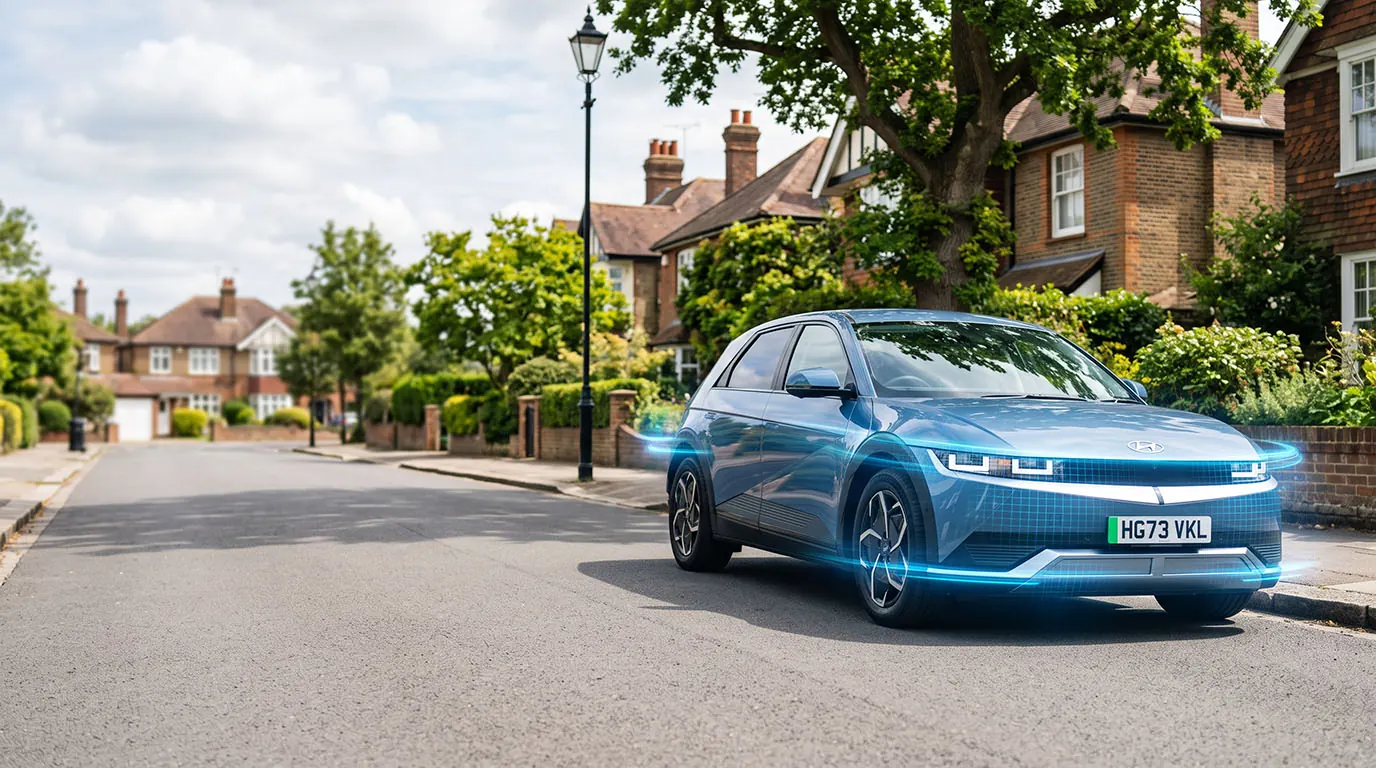
CheckHPI’s Ultimate check (£19.99) gives you a market valuation and a vehicle image alongside a full history check and a £30k data guarantee, so you know what the car’s really worth.
The bottom line
Car valuations differ because they measure different things: trade, part-exchange, private and retail prices all have their place. Use the value that matches how you’re buying or selling, adjust for condition and history, and you’ll know a fair price when you see one.
Frequently asked questions
Why do car valuation websites give different prices?
They use different data sources, assumptions and update schedules, and some show trade values while others show private or retail values.
Which car valuation is the most accurate?
The most useful valuation is the one that matches your situation, whether that's trade, private or retail, adjusted for the car's condition and history.
Why is a dealer's price higher than the private value?
Dealers include preparation, a warranty, legal protection and their profit margin. Buying from a dealer also gives you stronger consumer rights.
Do instant car buying sites give a fair valuation?
Their offers reflect what they're willing to pay, which is usually closer to trade value than private value. Compare offers before accepting.