What’s a used car really worth? It’s one of the trickiest questions in car buying. Asking prices are set by sellers, part-exchange offers are set by dealers, and both have reasons to lean in their own favour.
This step-by-step guide shows you how to work out a fair value yourself, whether you’re buying or selling.
Step 1: Get the exact details right
Two cars that look identical can be worth very different amounts. Before you value a car, confirm:
- Make, model and exact trim level
- Engine size and fuel type
- Gearbox (manual or automatic)
- Year and date of first registration
- Mileage
A free car check by registration confirms most of these in seconds.
Step 2: Get a professional valuation
A valuation tool uses real sales data to estimate a car’s market value. It gives you a realistic starting point and, importantly, it isn’t influenced by the seller. Our guide to HPI valuations explains the different values (trade, part-exchange, private and retail) and which to use.
Step 3: Compare similar adverts
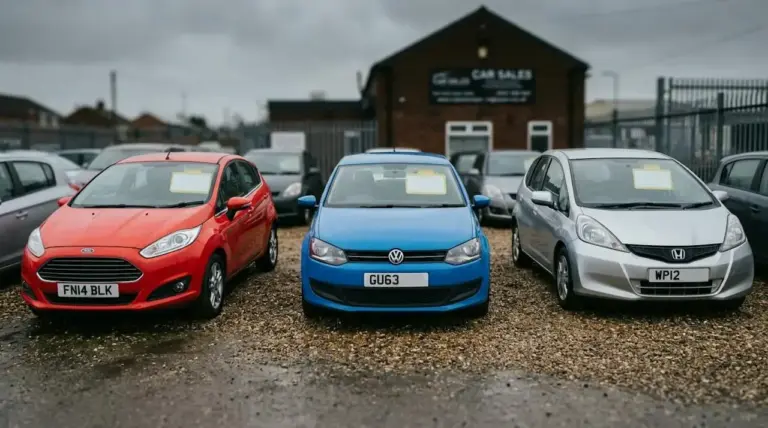
Search for cars with the same make, model, trim, age and similar mileage. Note the prices, but remember:
- Asking prices aren’t selling prices. Many cars sell for less after negotiation.
- Dealer prices usually include preparation, a warranty and profit, so they’re higher than private prices.
- Cars that have been listed for a long time may be overpriced.
Step 4: Adjust for history
A car’s history has a big effect on value. Run a history check and adjust for:
| History factor | Effect on value |
|---|---|
| Full service history | Adds value and confidence |
| Few previous keepers | Usually positive |
| Cat S or Cat N write-off | Typically reduces value noticeably |
| Mileage discrepancy | Significantly reduces value and trust |
| Outstanding finance | Doesn’t change value, but must be settled before sale |
For more on what history markers mean, see HPI clear vs HPI marker.
Step 5: Adjust for condition
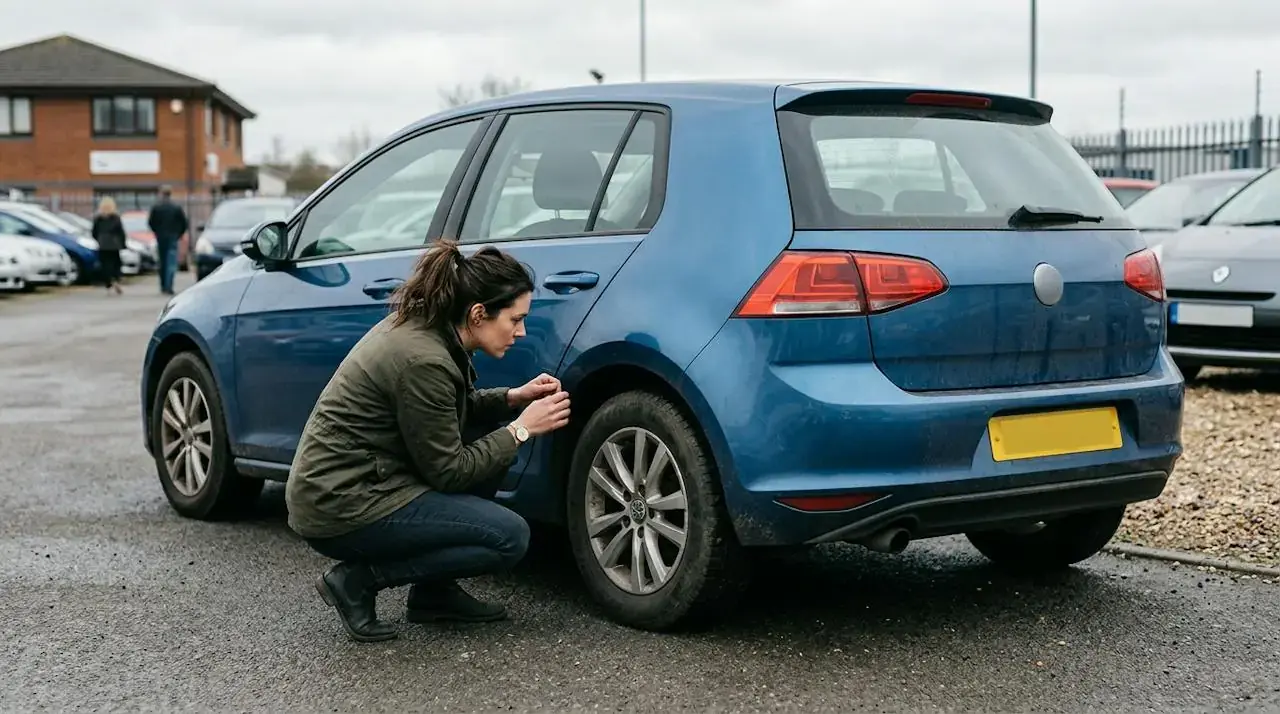
Valuations assume average condition. Walk around the car and be honest about:
- Bodywork: dents, scratches, rust and mismatched paint
- Wheels and tyres: kerbed alloys and tyre tread depth
- Interior: wear on seats, steering wheel and carpets, plus any smells
- Mechanicals: warning lights, noises, smoke and how it drives
- Upcoming costs: MOT advisories, a cambelt change due, or brakes nearing replacement. Our guide to MOT advisories helps you spot these.
Estimate the cost of anything that needs doing and take it off the value.
Step 6: Consider timing and demand
Used car prices move with the seasons and the market. Convertibles and sports cars sell for more in spring and summer, while 4x4s are in demand in winter. Fuel prices, new car supply and changing tastes also shift values over time.
Step 7: Settle on a range, not a number
Combine everything into a price range:
- Buying: know your opening offer and your walk-away price.
- Selling: know your asking price and the lowest you’ll accept.
Having a range keeps you calm and in control during negotiation.
CheckHPI’s Ultimate check at £19.99 combines a full history check with a market valuation, a vehicle image and a £30k data guarantee, so you can price a car with confidence.
The bottom line
Valuing a used car isn’t guesswork. Start with accurate details and a professional valuation, compare similar cars, then adjust for history, condition and timing. Do that, and you’ll know a fair deal when you see one.
Frequently asked questions
How do I find out what my car is worth?
Confirm the exact details, get a professional valuation, compare similar adverts, then adjust for the car's history, condition and the time of year.
Why do online valuations vary?
Different tools use different data and may show different types of value, such as trade, private or retail. Always compare the same type of value.
Does a write-off affect how much a car is worth?
Yes. A Cat S or Cat N record typically reduces a car's value compared with an identical car with a clean history.
Should I value my car before part-exchanging it?
Yes. Knowing your car's private and trade value helps you judge whether a part-exchange offer is fair.